Emergency Appliance Repair Services: What You Need to Know
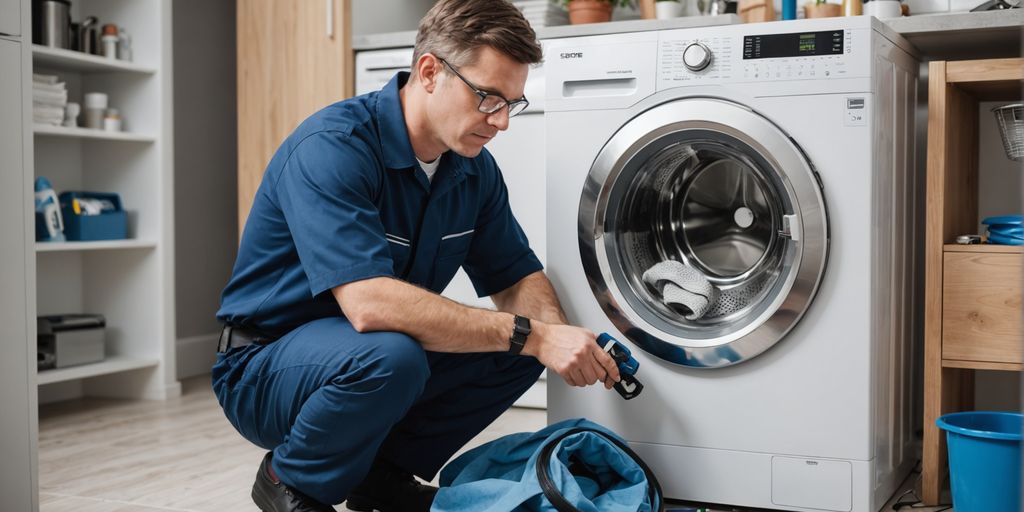
Appliances are essential in our everyday lives, helping us with tasks like cooking, cleaning, and keeping our food fresh. But what happens when they suddenly break down? Knowing how to handle emergency appliance repairs can save you time, money, and stress. This article will guide you through recognizing appliance emergencies, common issues, choosing the right repair service, and preventing future problems.
Key Takeaways
- Recognize the signs of an appliance emergency, such as strange noises, leaks, or complete malfunctions.
- Safety should always come first; if there's a gas leak or electrical issue, evacuate and call for help immediately.
- Choose a repair service that offers 24/7 availability, quick response times, and qualified technicians.
- Regular maintenance can prevent many appliance emergencies and extend the life of your appliances.
- Avoid DIY repairs for complex issues to prevent further damage and ensure your safety.
Recognizing an Appliance Emergency
Common Signs of Appliance Emergencies
Identifying an appliance emergency early can save you from bigger problems later. Look out for these common signs:
- Unusual noises or vibrations
- Burning smells or smoke
- Water leaks or puddles around the appliance
- The appliance not turning on or off
- Sudden changes in performance, like a fridge not cooling
Safety Hazards to Watch For
Some appliance issues can be dangerous. Here are a few safety hazards to be aware of:
- Gas leaks: If you smell gas, turn off the gas supply and call for help immediately.
- Electrical sparks or shocks: These can lead to fires or serious injuries.
- Exposed wiring: This is a major fire risk and needs immediate attention.
- Water leaks: These can cause flooding and lead to mold growth.
Safety should always be your top priority. If you notice any of these hazards, act quickly to protect your home and family.
When to Call a Professional
Knowing when to call a professional can make all the difference. Here are some situations where you should definitely get expert help:
- Persistent issues: If the problem keeps coming back, it's time to call a pro.
- Complex repairs: If you're not sure how to fix it, don't risk making it worse.
- Safety concerns: For any gas, electrical, or major water issues, always call a professional.
- Warranty considerations: Fixing it yourself might void the warranty.
By recognizing these signs and knowing when to call for help, you can handle appliance emergencies more effectively and safely.
Common Emergency Appliance Issues
Refrigerator Failures
Refrigerators are essential for keeping food fresh. When they fail, it can lead to food spoilage and waste. Common emergency issues include complete loss of cooling, significant leaks, or strange noises indicating compressor or fan failure. If your refrigerator isn't cooling properly, it's crucial to seek immediate repair to prevent foodborne illnesses and loss of perishable goods.
Washing Machine Leaks
Washing machines can cause emergencies if they start leaking water. Major water leaks can lead to flooding, causing extensive property damage and potential mold growth. If your washing machine fails to drain or stops mid-cycle, it needs quick repairs to restore functionality and prevent further damage.
Oven and Stove Malfunctions
Ovens and stoves can pose serious risks when they malfunction. Gas leaks, electrical issues leading to sparking, or an oven that won't turn off are severe emergencies. These situations can lead to gas poisoning, electrical fires, or severe burns if not managed quickly. Immediate service is crucial to address these issues.
Dryer Overheating
Dryers can overheat, which is a significant fire risk. Signs of an emergency include excessive heat, burning smells, or the dryer shutting off repeatedly to prevent overheating. Immediate service is crucial to address lint build-up or vent blockages causing these symptoms.
Recognizing these emergency issues in common appliances and understanding their urgency is vital. Prompt action, typically involving professional appliance repair services, is necessary to mitigate risks, prevent further damage, and ensure the safety and functionality of these essential household items.
Choosing the Right Emergency Appliance Repair Service
Availability and Response Time
In an emergency, time is critical. Look for repair services that offer 24/7 availability, including weekends and holidays. The faster a technician can arrive, the less risk there is of extensive damage or inconvenience.
Qualified and Experienced Technicians
Ensure the repair service employs technicians who are qualified and experienced in dealing with a wide range of appliance issues, including the specific type of emergency you're experiencing. Certified professionals have the knowledge and skills to diagnose and fix problems efficiently.
Reputation and Reviews
Research the service provider’s reputation. Read online reviews and testimonials from previous customers to gauge the quality of their service, reliability, and customer satisfaction. A reputable company should have a history of positive feedback and successful emergency repairs.
Transparent Pricing
Emergency repairs can be costly, so it’s important to choose a service that provides transparent pricing. Look for companies that offer a clear and upfront cost estimate before proceeding with the repair, to avoid unexpected charges later.
By considering these factors—availability, technician qualification, reputation, and transparent pricing—you can make an informed decision when choosing an emergency appliance repair service, ensuring that your appliance is fixed promptly, effectively, and safely.
Preventing Future Appliance Emergencies
Regular Maintenance Tips
Regular maintenance is essential to keep your appliances running smoothly. Follow these tips to avoid sudden breakdowns:
- Follow Manufacturer’s Guidelines: Always adhere to the manufacturer’s instructions for proper use and maintenance.
- Regular Cleaning: Clean your appliances regularly to remove dirt and grime that can cause malfunctions.
- Professional Servicing: Schedule annual check-ups for major appliances like HVAC systems, refrigerators, and washers/dryers.
- Proper Use: Operate appliances according to their intended use and capacity.
- Keep Vents and Filters Clean: Ensure vents and filters are clear of obstructions and cleaned regularly.
Signs of Wear and Tear
Recognizing early signs of wear and tear can prevent major issues. Look out for:
- Unusual noises
- Decreased efficiency
- Visible damage
- Frequent malfunctions
When to Schedule Routine Inspections
Routine inspections can catch problems before they become emergencies. Here’s when to schedule them:
- Annually: For major appliances like HVAC systems and refrigerators.
- Biannually: For appliances with heavy use, like washing machines and dryers.
- Seasonally: Before peak usage times, such as before summer for air conditioners.
Regular maintenance and timely inspections are key to preventing unexpected appliance emergencies. Stay proactive to ensure your appliances last longer and perform better.
The Risks of DIY Appliance Repairs
Potential Safety Hazards
One of the biggest risks of DIY appliance repairs is the potential for safety hazards. Appliances, especially those that are malfunctioning, can pose serious risks such as electric shock, gas leaks, or even fires. Without proper training and tools, trying to fix these issues can lead to personal injury or further damage to the appliance.
Common Mistakes Homeowners Make
Homeowners often make mistakes when attempting DIY repairs. These can include misdiagnosing the problem, using the wrong parts, or not following proper safety protocols. Such errors can complicate the issue, making it more difficult and expensive to fix later.
When to Leave it to the Professionals
It's important to know when to call in a professional. If the repair involves electrical components, gas lines, or if you're unsure about the problem, it's best to leave it to the experts. Professionals have the experience and tools to handle these repairs safely and effectively.
Attempting DIY repairs on complex appliances can void warranties and lead to more costly repairs down the line. Always consider the risks before deciding to fix an appliance yourself.
Understanding Repair Costs and Warranties
Factors Influencing Repair Costs
Several factors can affect the cost of appliance repairs:
- Type of Appliance: Different appliances have varying repair costs. For example, fixing a refrigerator might be more expensive than repairing a microwave.
- Nature of the Problem: Simple issues like a clogged filter are cheaper to fix than complex problems like a faulty motor.
- Parts and Labor: The cost of replacement parts and the labor required can significantly impact the total cost.
- Service Fees: Some companies charge additional fees for emergency services, after-hours work, or travel expenses.
The Importance of Warranties
When selecting a repair service, it's crucial to consider the warranties they offer:
- Workmanship Warranty: This covers any issues that arise from the repair work itself. A good service should offer a warranty period during which they will fix any recurring problems at no extra cost.
- Parts Warranty: Ensure the parts used in the repair come with a warranty. This protects you if the replaced part fails prematurely.
- Clear Terms: Make sure the warranty terms are clearly stated in writing. Understand the duration, limitations, and the process for filing a claim.
- Satisfaction Guarantee: A reputable service should guarantee your satisfaction and be willing to address any concerns you have.
How to Get an Accurate Estimate
To avoid unexpected costs, follow these steps to get an accurate repair estimate:
- Obtain Multiple Estimates: Contact several repair services to compare prices and services offered.
- Request a Breakdown: Ask for a detailed breakdown of costs, including labor, parts, and any additional fees.
- Clarify Hidden Charges: Ensure there are no hidden fees for emergency services, mileage, or diagnostics.
- Check Payment Policies: Understand when payment is expected and what methods are accepted. Also, check if a deposit is required.
By understanding repair costs and warranties, you can make informed decisions and avoid unexpected expenses. Always choose a service that offers clear terms and stands by their work.
Understanding repair costs and warranties can save you a lot of money and stress. It's important to know what you're paying for and what protections you have. For more detailed information and to get a free estimate, visit our website today!
Conclusion
In conclusion, knowing when to call for emergency appliance repair services can save you from a lot of trouble. Whether it's a gas leak, an electrical issue, or a major water leak, acting quickly can prevent further damage and keep your home safe. Always choose a repair service that is available 24/7, has experienced technicians, and offers transparent pricing. By being prepared and informed, you can handle unexpected appliance breakdowns efficiently and get back to your daily routine with minimal disruption.
Frequently Asked Questions
What should I do if my appliance starts leaking water?
If your appliance is leaking water, turn off the water supply to the appliance and call an emergency repair service immediately to prevent water damage and mold growth.
How can I tell if my dryer is overheating?
Signs of an overheating dryer include excessive heat, a burning smell, or the dryer shutting off repeatedly. If you notice any of these signs, stop using the dryer and call a professional repair service.
When is it time to call a professional for appliance repair?
You should call a professional if the appliance won't turn on, shows signs of electrical issues, or if there are unusual noises or smells. Also, if you see a significant spike in your utility bills, it may indicate a malfunction that needs expert attention.
What are common signs of a refrigerator failure?
Common signs include the fridge not cooling properly, strange noises, or water pooling around the appliance. If you notice any of these issues, it's best to call a repair service promptly.
How do I choose the right emergency appliance repair service?
Look for services with 24/7 availability, quick response times, qualified technicians, good reputation and reviews, and transparent pricing. Checking these factors can help ensure you get reliable and prompt service.
Can regular maintenance prevent appliance emergencies?
Yes, regular maintenance like cleaning filters, checking for signs of wear and tear, and scheduling routine inspections can help prevent many common appliance emergencies.


For urgent appliance issues, always use emergency repair services. Quick appliance repair service help prevents damage and keeps your home running smoothly.
ReplyDeleteAppliance breakdowns can happen without warning, and knowing the signs like leaks or burning smells helps people act fast. Emergency appliance repair is often needed to stop further damage and avoid safety risks at home.
ReplyDelete