What to Expect During a Professional Appliance Repair Visit
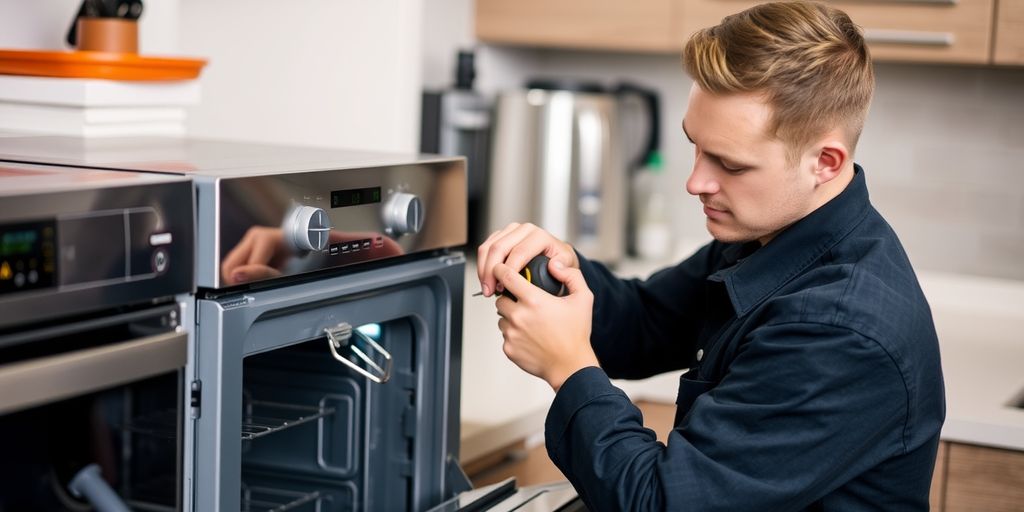
When your home appliances break down, it can be a real hassle. Knowing what to expect during a professional appliance repair visit can help ease some of the stress. This guide will walk you through the key steps and preparations to ensure a smooth and efficient repair experience.
Key Takeaways
- Providing detailed appliance information, such as make, model, and serial number, helps technicians prepare for the repair.
- Clearing the area around the appliance and securing pets ensures a safe and efficient repair process.
- Asking questions during the service call can help you understand the issue and prevent future problems.
- Reviewing the work done and requesting a detailed invoice ensures transparency and satisfaction with the service.
- Regular maintenance and proper use of appliances can prevent future issues and extend their lifespan.
Gathering Appliance Information
Providing Make, Model, and Serial Number
When scheduling a repair, it's crucial to provide the make, model, and serial number of your appliance. This information helps the technician prepare for the repair, ensuring they have the necessary parts and tools on hand.
Importance of Accurate Details
Accurate details about your appliance can make a significant difference. It allows the technician to diagnose the problem more efficiently and bring the right replacement parts if needed. This can save time and reduce the number of visits required.
How This Information Helps the Technician
Providing detailed information about your appliance helps the technician in several ways:
- Preparation: They can bring the right tools and parts.
- Diagnosis: They can quickly identify potential issues.
- Efficiency: They can complete the repair faster, minimizing disruption to your day.
Being thorough with the information you provide can lead to a smoother and quicker repair process.
Preparing for the Technician’s Arrival
Clearing the Area Around the Appliance
Ensure there is a clear path to the appliance and the area around it is clutter-free. This provides the technician with easy and safe access to the appliance.
Securing Pets for Safety
Keep pets in a separate room during the technician’s visit. This ensures safety for both your pets and the technician.
Ensuring Appliance Accessibility
Avoid using the appliance at least a few hours before the service call, especially for ovens or other appliances needing time to cool before handling. Unless there are safety concerns, keep the appliance plugged in and connected to the gas line (if applicable) for diagnostic purposes. Ensure the tech can access components like circuit breakers or water supply lines.
During the Service Call
Asking Questions About the Repair
Feel free to ask the technician about the problem and the required repair. Understanding the issue can help prevent similar problems in the future. Don't hesitate to ask for clarification if something is unclear.
Discussing Repair Options and Timing
If the repair is complex or costly, discuss the options with the technician. Sometimes, replacing the appliance might be more cost-effective than a repair. If parts need to be ordered, confirm the expected arrival date and who to contact for follow-up.
Ensuring Safe and Efficient Service
Professional technicians follow safety standards to eliminate hazards during the repair process. They aim to provide efficient service to minimize your appliance's downtime. Make sure the area is safe and accessible for the technician to work effectively.
Post-Service Call Steps
Reviewing the Work Done
Before the technician leaves, take a moment to review the work completed. Ensure the appliance is functioning correctly and that the area around it is clean. This step is crucial to confirm that the repair meets your expectations.
Requesting a Detailed Invoice
Always ask for a detailed invoice that lists the services provided and any parts replaced. Review the invoice carefully before making any payments. This document will be useful for future reference and warranty claims.
Providing Feedback on the Service
After the service call, consider providing feedback about your experience. You can leave a review on the company's website or social media pages. Your feedback helps the company improve and assists other customers in making informed decisions.
Taking these steps after your appliance repair can ensure you are satisfied with the service and help prevent future issues.
Preventing Future Issues
Regular Cleaning and Maintenance
Regular cleaning and maintenance can help your appliances last longer and work better. Make sure to clean your appliances according to the manufacturer's instructions. This can prevent problems caused by dirt or blockages.
- Clean your refrigerator's condenser coils at least twice a year.
- Check and clean filters regularly to avoid overheating.
- Keep vents and air ducts free from dust and debris.
Proper Use of Appliances
Using your appliances the right way can prevent many issues. Follow the user manual for guidelines on how to use each appliance.
- Don't overload your washing machine or refrigerator.
- Use the right settings for different tasks.
Routine Inspection and Early Troubleshooting
Regularly inspect your appliances for any signs of trouble. Catching problems early can save you from bigger issues later.
- Listen for unusual noises or smells.
- Look for leaks or other visible problems.
Taking good care of your appliances can save you time and money in the long run. Regular maintenance and proper use are key to preventing future issues.
Pre-Call Troubleshooting Tips
Before you call for a professional appliance repair, try these simple troubleshooting steps. They might save you time and money.
Consulting the User Manual
Check the user manual that came with your appliance. It often has a troubleshooting section that can help you solve common problems. This can be a quick way to fix minor issues without needing a service call.
Checking the Power Supply
Make sure your appliance is plugged in and the outlet is working. This might seem obvious, but it's an easy thing to overlook. Sometimes, a tripped circuit breaker or a blown fuse can be the culprit.
Inspecting the Appliance for Obvious Issues
Look for any visible problems, like a blocked vent or a loose belt. Sometimes, a simple cleaning or tightening can fix the issue. If these steps don't solve the problem, then it's time to call in a professional.
Taking a few minutes to troubleshoot can often resolve minor issues and save you the cost of a service call.
Before making a service call, try these simple troubleshooting tips to save time and money. If your appliance still isn't working, don't worry! Our expert technicians are ready to help. Visit our website for more information and to schedule a service appointment.
Conclusion
In summary, preparing for a professional appliance repair visit can make the process smoother and more efficient. By providing detailed information about your appliance and the issue, clearing the area, and securing pets, you help the technician do their job effectively. During the visit, don't hesitate to ask questions and discuss repair options. After the repair, review the work and provide feedback. Remember, regular maintenance and proper use of your appliances can prevent many common problems. Trusting a professional ensures your appliances are repaired safely and correctly, extending their lifespan and keeping your home running smoothly.
Frequently Asked Questions
What details should I provide about my appliance?
You should provide the make, model, and serial number of your appliance. This helps the technician prepare for the repair and ensures they have the necessary replacement parts.
Why is it important to clear the area around the appliance?
Clearing the area around the appliance gives the technician easy and safe access to perform the repair efficiently.
How can I prepare my home for the technician's arrival?
Make sure the area around the appliance is clear, secure any pets, and ensure the appliance is accessible. Avoid using the appliance a few hours before the service call if possible.
Can I ask questions during the service call?
Yes, feel free to ask the technician about the problem and the required repair. Understanding the issue can help you prevent similar problems in the future.
What should I do after the service call?
Review the work done, ask for a detailed invoice, and provide feedback about the service. This helps ensure everything was done correctly and helps the company improve.
How can I prevent future appliance issues?
Regular cleaning and maintenance, proper use of appliances, and routine inspections can help prevent future issues. Always follow the manufacturer's instructions for best results.


Understanding what happens during a repair visit helps people feel more prepared. Things like clearing the space, asking questions, and checking the appliance after repair can make appliance repair visits less stressful overall.
ReplyDeleteKnowing what to expect during an appliance repair visit really helps take the guesswork out of the process. Simple steps like providing model details and keeping the area clear can make appliance repair faster and more efficient.
ReplyDelete